
- Acoustic Fabric Panels
- Acoustic Felt Panels
- Acoustic Wood Panels
- Acoustic Curtains
- Acoustic Projects
- About Us
- Our Clients
- Contact
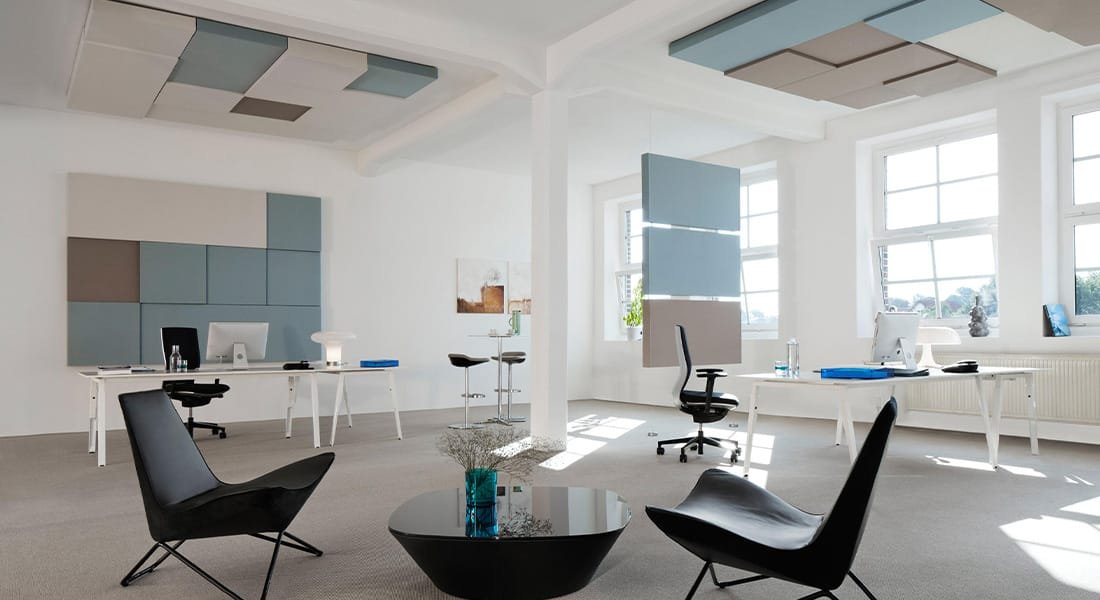
Office Acoustics
In modern offices, acoustic design plays a vital role in employee comfort and productivity. With the rise of open-plan offices, issues like noise, distractions, and lack of privacy have increased. Proper acoustic solutions help minimize these problems, creating quieter, more focused, and healthier working environments.
Importance of Office Acoustics
Poor acoustics can cause stress, reduced concentration, and job dissatisfaction among employees. Improving office acoustics leads to:
- Reduced noise levels and distractions
- Enhanced sound quality in meetings and calls
- Improved employee privacy and confidentiality
- Greater overall comfort in the workspace
- Increased productivity and collaboration
Common Acoustic Challenges in Offices
- Background noise: Continuous sounds from conversations, phones, and office equipment
- Echo and reverberation: Hard surfaces like glass, concrete, and metal reflect sound and amplify noise
- Lack of speech privacy: Poor sound insulation allows conversations to be overheard
- Open office layouts: While encouraging teamwork, they can worsen noise problems without treatment
Acoustic Solutions for Offices
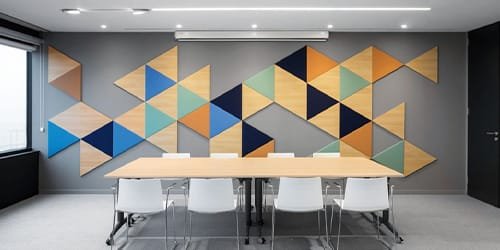
- Acoustic panels and ceiling tiles: Absorb sound reflections and reduce reverberation
- Sound masking systems: Add ambient noise to mask distracting sounds
- Partitions and acoustic screens: Create quiet zones and improve speech privacy
- Carpets and soft furnishings: Reduce footstep noise and overall sound levels
- Acoustic curtains and blinds: Provide functional and aesthetic sound absorption
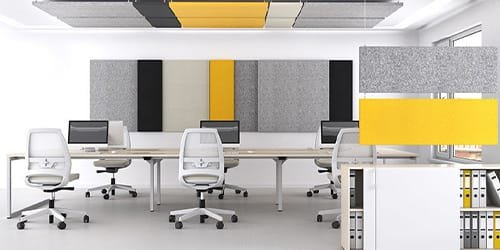
Tips for Effective Office Acoustic Design
- Identify noise sources and apply targeted solutions
- Use a combination of acoustic products for best results
- Balance aesthetics and acoustic performance
- Seek professional acoustic assessment and planning
- Maintain acoustic materials regularly for long-lasting effects
Frequently Asked Questions (FAQ)
Why is office acoustics important?
High noise levels reduce employee focus, increase stress, and lower productivity. Proper acoustic design enhances comfort and work quality.
What do acoustic panels do?
Acoustic panels absorb sound reflections and echoes, creating a clearer and quieter environment.
What are sound masking systems?
They introduce low-level ambient noise that masks distracting sounds and helps reduce perceived noise.
How can speech privacy be improved in offices?
Using acoustic partitions, curtains, and soundproofing materials helps isolate conversations and maintain confidentiality.
How should acoustic materials be cleaned?
Acoustic materials should be dusted regularly and cleaned with a damp cloth or according to manufacturer instructions.
How to handle acoustic issues in open-plan offices?
Use partitions, acoustic furniture, and sound-absorbing materials to reduce noise and create private zones.
Contact Us
- Project: +90 505 017 35 69
- export@hanacoustic.com
- Yavuz Selim Mah. Akcay k. No:11/A Sultaneyli /ITANBUL TURKEY